Thoughts on AI, consumption, creativity, and the value of the creative process.
The age of instant everything
We have become used to getting everything faster. Information, entertainment, answers, and even inspiration. We search for something, find it, consume it, and quickly move on to the next thing. If something doesn’t catch our attention fast enough, there is always another option waiting for us.
Waiting has become harder to tolerate, and we often judge effort by how quickly it gets us to a result. This habit is changing more than the way we consume things. It is also changing the way we create them.
Creating faster, producing more
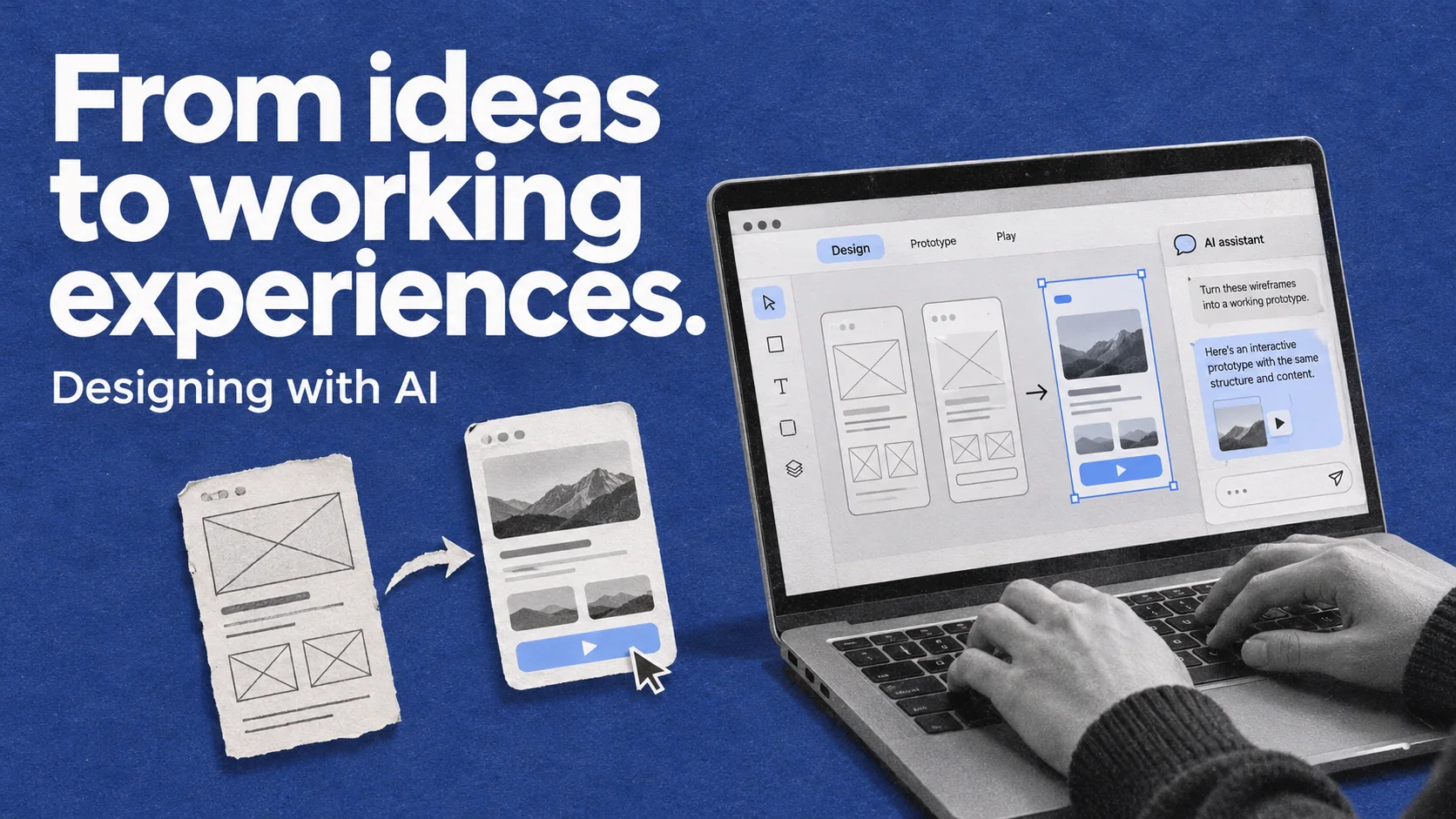
In the past, creating a prototype could take weeks. Today, we can achieve much more in the same amount of time: prototypes, design research, different concepts, and sometimes even a working product. All within days.
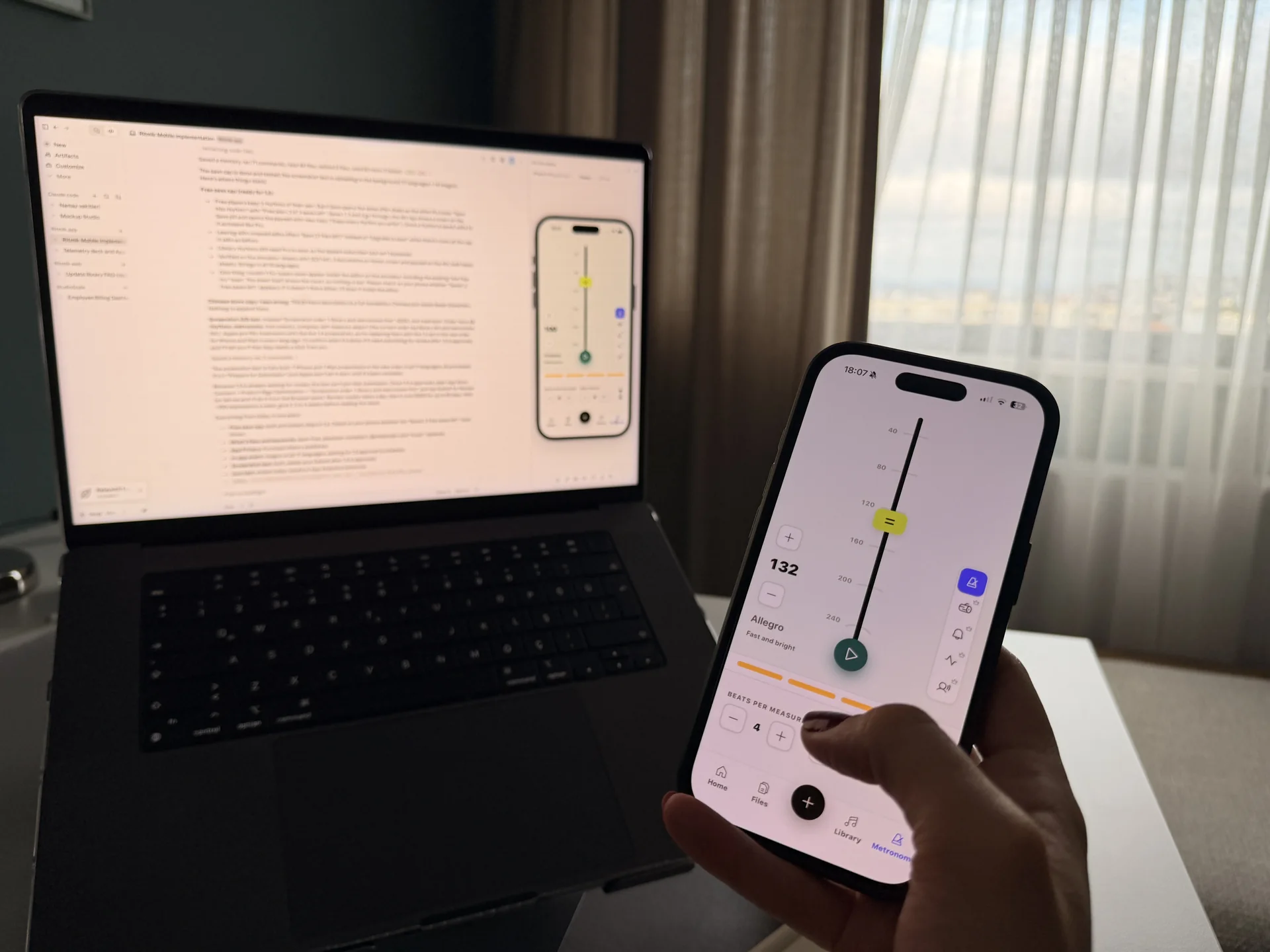
As a UI/UX designer, one of the biggest changes AI has brought to my workflow is how quickly I can turn ideas into something visual. When I have a design idea in mind, I can bring it to life much faster, explore different directions, and try alternatives I might not have had time to explore before. It has opened up an exciting new level of freedom in the design process.
But as our ability to produce has become faster, expectations have changed too. One alternative is no longer enough. We are expected to deliver more options, more iterations, and faster results. Being able to complete something in less time doesn’t mean the scope of the work gets smaller. In many cases, the expectation is simply that we will do more.
How much of the time we save do we actually spend thinking more carefully? And how much of it do we spend producing even more?
Production may be faster, but creating good design still requires understanding the problem, asking the right questions, and considering different possibilities.
The value of the process: From creating to deciding
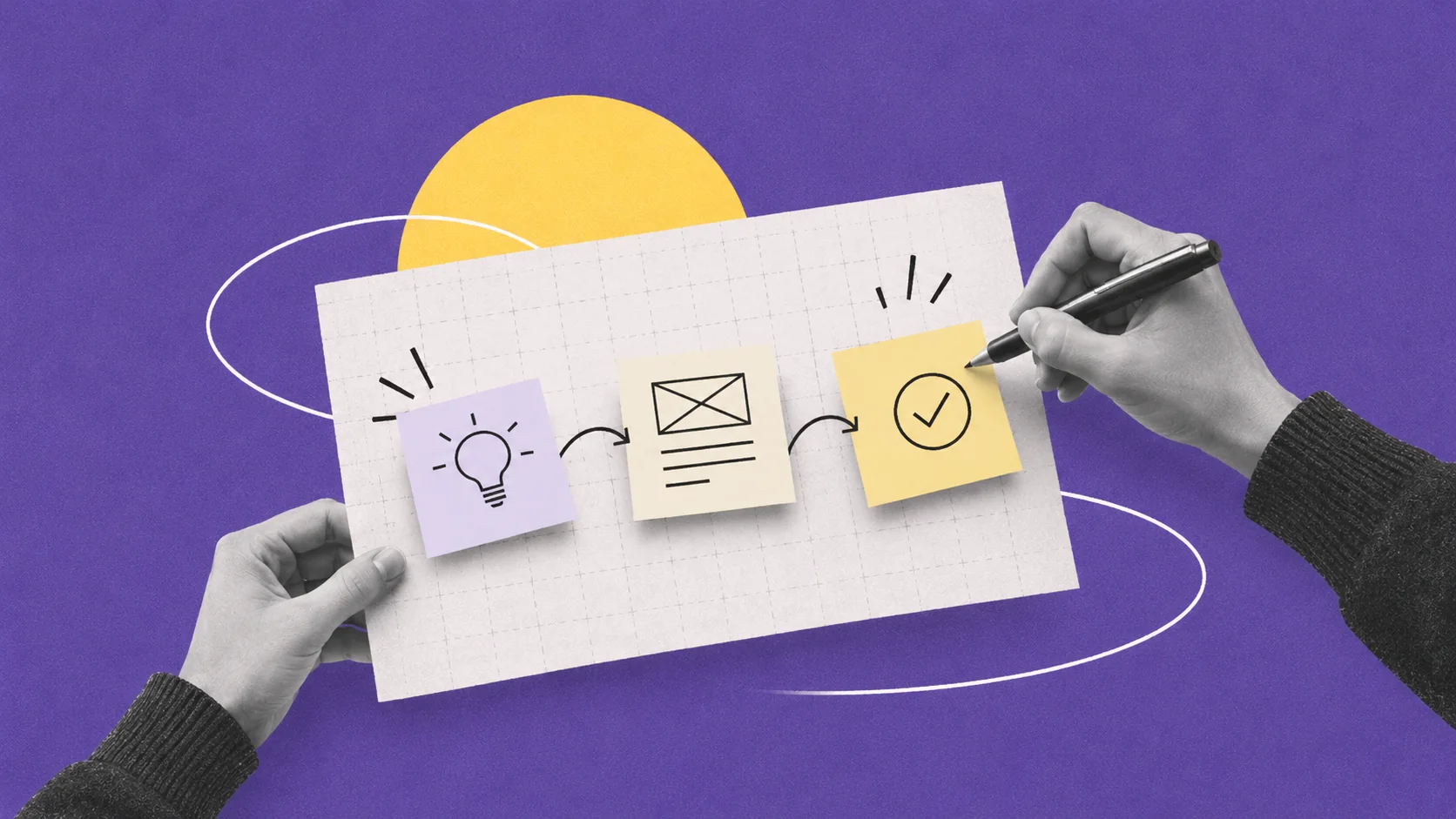
The value of a design process is not only in the final product. It is also in the decisions we make along the way, the different approaches we try, and even the solutions that don’t work.
Understanding a problem is not always straightforward. Sometimes we need to ask the wrong questions before finding the right ones. We need to test an idea to understand why it doesn’t work, or explore a direction we hadn’t considered at first. Some of the most valuable ideas in design come from this process of discovery.
Knowing what a design could look like is not the same as understanding why it should look that way. Being able to create multiple solutions doesn’t automatically tell us which one is right. We still need to understand the context, consider user needs, and question what each option actually solves.
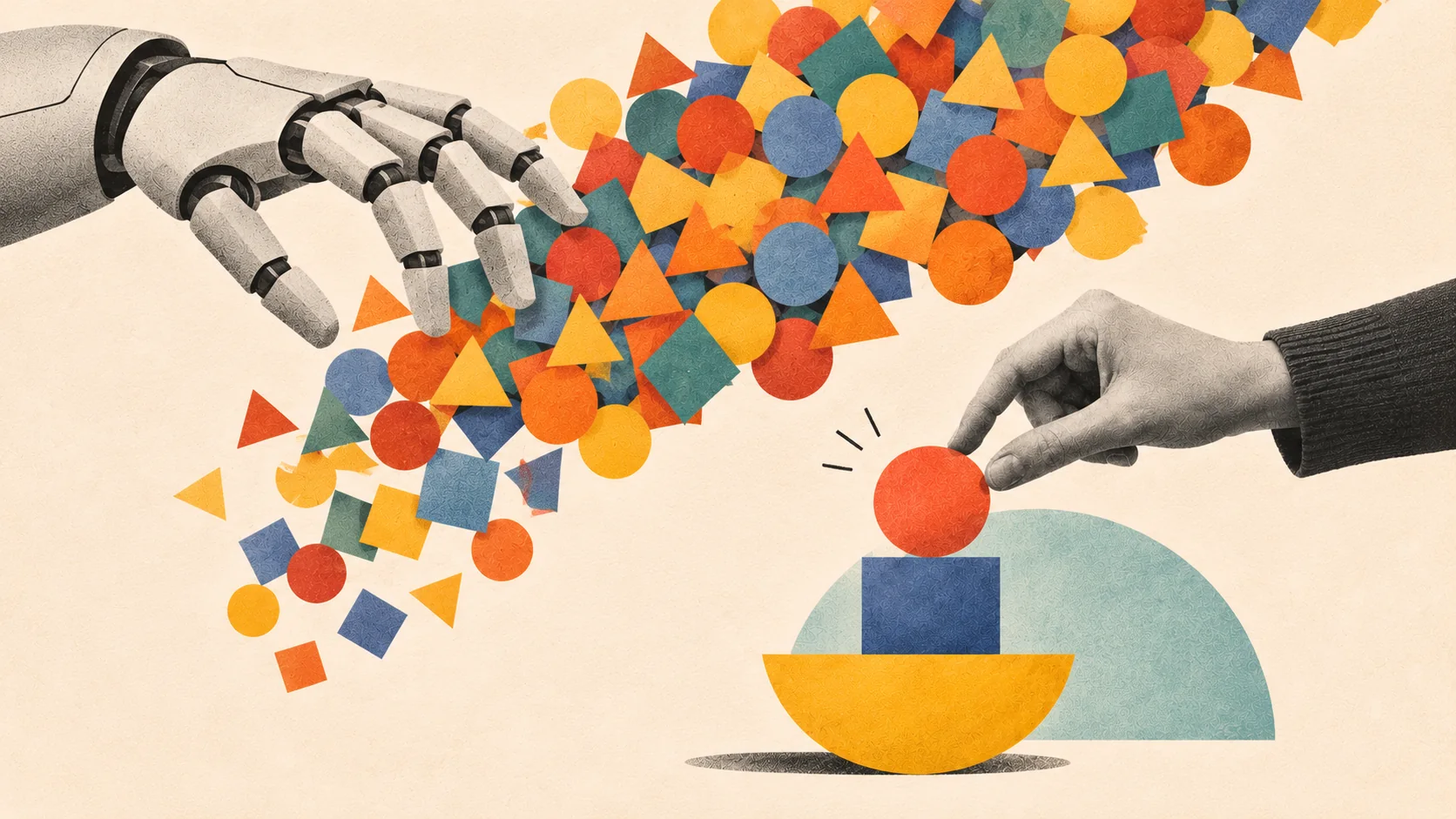
If creating is no longer the hardest part, what is?
I think it’s making decisions. Knowing what is worth creating, which ideas actually solve a problem, and when to stop. That’s why I try to ask myself two questions before starting something: What decision will this output help me make? And just because I can create something, does it mean I should?
The answer isn’t always yes. But sometimes, simply asking these questions can make the difference between producing on autopilot and creating with intention.
When output becomes the measure of value
As creating things becomes easier, I’ve started to rethink how we measure the value of our work. Especially in design, metrics like the number of screens created, alternatives explored, or the time it takes to complete a prototype seem to matter more and more.
But can we really measure the success of a design by how quickly it was completed? Sometimes developing one idea in the right way can be far more valuable than creating dozens of alternatives.
More output doesn’t always mean more value. What matters is not how much we create, but whether what we create meets a real need and makes something better.
So, where do we go from here?

What we need isn’t slower tools or longer working hours. It’s the ability to use what AI offers without losing sight of our own priorities.
Creating prototypes faster, exploring more alternatives, and bringing ideas to life in less time are all valuable. But we don’t have to bring every idea to life, explore every possible alternative, or fill every free moment with another task. I think this is where the real challenge begins. Just because we can create something doesn’t mean we should.
We have never been able to create so much in so little time. But perhaps our biggest advantage is no longer how much we can produce. It’s knowing what deserves our time.